
"Ethiopian coffee methods"
4000 article(s) found
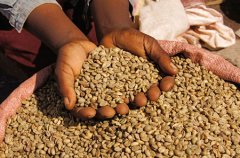
Ethiopian boutique coffee introduces Ethiopian boutique coffee to grow African Arabica coffee
Ethiopia is one of the major producers of Arabica coffee in Africa, producing the best Arabian coffee in the world. It is said that coffee was first discovered by shepherds in Essekafa, and the name of coffee evolved from Kafa, so Essex is still the hometown of coffee. The geographical environment of coffee production and processing is very suitable for coffee growth. Coffee is mainly cultivated.

Flavor description of fermentation process of Ethiopian Coffee washing method
Flavor description of the fermentation process of Ethiopian coffee washing method 1 peel and pulp (Skin/Pulp): the outermost layer of coffee beans is wrapped in berry-like peel and pulp. In addition to the natural sun method, coffee beans treated by other methods must remove the skin and flesh within a few hours after picking. It is similar to the cherries we often eat, but the difference is that I

Introduction to the methods of variety treatment in Ethiopian coffee flavor description and grinding degree production area
Washed coffee accounts for 35% of exports. Good quality washed coffee is processed with freshly picked fully ripe fruit, picked carefully and closely monitored by professionals. The picked clean coffee beans are pulped on the day of picking, then fermented, washed, dried and peeled. The humidity of processed coffee beans is kept at about 12%. Sun-cured coffee accounts for 65% of exports. Mainly by

Ethiopian Coffee Yega Sheffield Coffee beans Ethiopian Coffee Sidamo producing area
According to the above four different modes of production, Ethiopian coffee can be divided into nine major coffee producing areas, including five boutique coffee areas: Sidamo, Yegashefi, Harald, Lim and Lekampu. and four general commercial bean producing areas: Gemma, Irugbo, Tibby and Bekaa. The sun or water washing methods are used in each district, and different treatment methods also affect the flavor.

Fruit aroma and flower aroma of Ethiopian coffee in Hidamo area
1. A variety of fine coffee. It is better to use Arabica inherent variety Tibica or bourbon variety. two。 Is the altitude, topography, climate, soil and refinement of the cultivated land or farm clear? Generally speaking, the coffee with high altitude is of higher quality, and the fertile volcanic soil is the best. 3. The harvesting method and refining method are adopted. Generally speaking, manual harvesting method and washing essence are adopted.

Lotus (Lotus) SK H 2L95 90 + Solkiln method for processing Ethiopian water wash or day
The origin of the name: the development of Lotus SK flavor is modelled on the unstained lotus, a perennial aquatic plant that is sometimes mistaken for water lilies. Although the rose summer processed by the 90 + Solkiln method dries the fresh fruit directly, which is similar to the traditional sun drying method, the coffee beans do not look much different from the washing method. The Solkiln method can be refined by artificially creating a method

Ethiopian Yejia Coffee Cochel Coffee Bean Flavor description method of producing area taste Grinding scale
The main producing areas of Ethiopian coffee are Harald in the east, Djimmah in the southwest and Sidamo in the south. Yirgacheffe, with its unique aroma, comes from the northwest of Sidamo province.
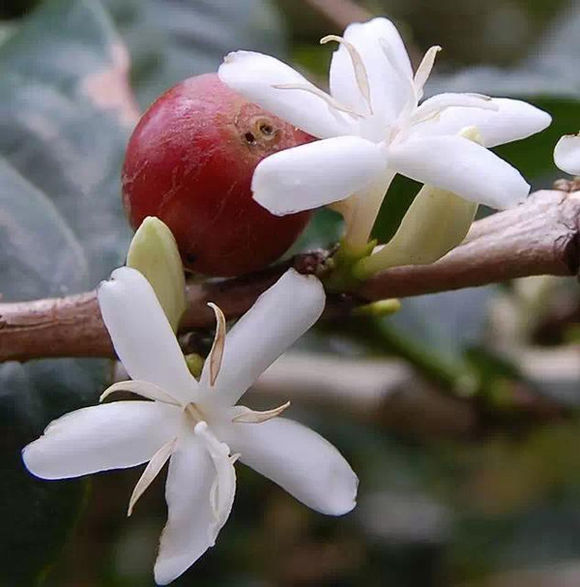
Ethiopian specialty Ethiopian coffee farm Ethiopian coffee industry and varieties
Ethiopia is one of the major producers of Arabica coffee in Africa, producing the best Arabian coffee in the world. It is said that coffee was first discovered by shepherds in Essekafa, and the name of coffee evolved from Kafa, so Essex is still the hometown of coffee. The geographical environment of coffee production and processing is very suitable for coffee growth. Coffee is mainly cultivated.

Ethiopian Coffee Flavor description of unique quality; introduction to the processing methods for the characteristics of grinding degree of taste
This kind of coffee grows in areas ranging from 1500 to 2200 meters above sea level. This coffee is washed in a clear stream, carefully selected by hand and exposed to plenty of sunshine. The taste is unique; the fruit is medium-sized, comparable to Mocha. The taste is mellow, the charm is unique, it gives people a fresh feeling, and the market prospect is optimistic. It is estimated that this kind of coffee is average in 42000 hectares of cultivated area.
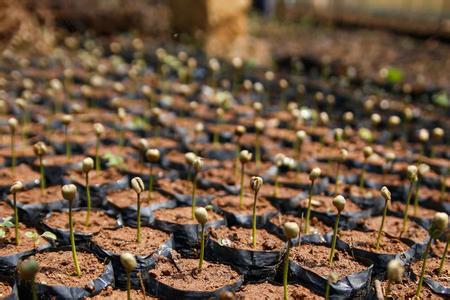
Grade Analysis of Ethiopian Coffee Bean by Solar method (High-shelf Solar method)
Ethiopian beans are easily recognizable, mostly small and pointed long beans, known as longberry, and often mixed with small oval-shaped short beans, called shortberry, which look uneven in size and appearance. The commercial bulk beans of Grade4 or Grade5 are mostly mixed with hundreds of different crystal seeds in different producing areas, so the phenomenon of uneven bean phase is the most obvious.

2018 Ethiopian Coffee Bean recommendation _ Ethiopian Coffee Bean description _ how much Ethiopian Coffee Bean
Professional coffee knowledge exchange more coffee bean information please follow the coffee workshop (Wechat official account cafe_style) ● descendants of King Solomon and Queen Sheba Ethiopians regard themselves as descendants of King Solomon and Queen Sheba, the lion is the symbol of power of their country, the country's population reached 102403196 in 2016, (12th in the world), is the world's most populous landlocked country

Ethiopian Coffee beans | Ethiopian Coffee producing areas | Yega Xuefei ECX selected Water to wash G1
Professional coffee knowledge exchange for more information about coffee beans, please follow the coffee workshop (Wechat official account cafe_style) ECX selected washing G1 Ethiopia washed Yirgacheffe ECX Specialty G1 2017 Dec in Yega Sheffield Town, Ethiopia. New seasonal bean varieties: Heirloom native species producing area: Ethiopia Yirgacheffe A
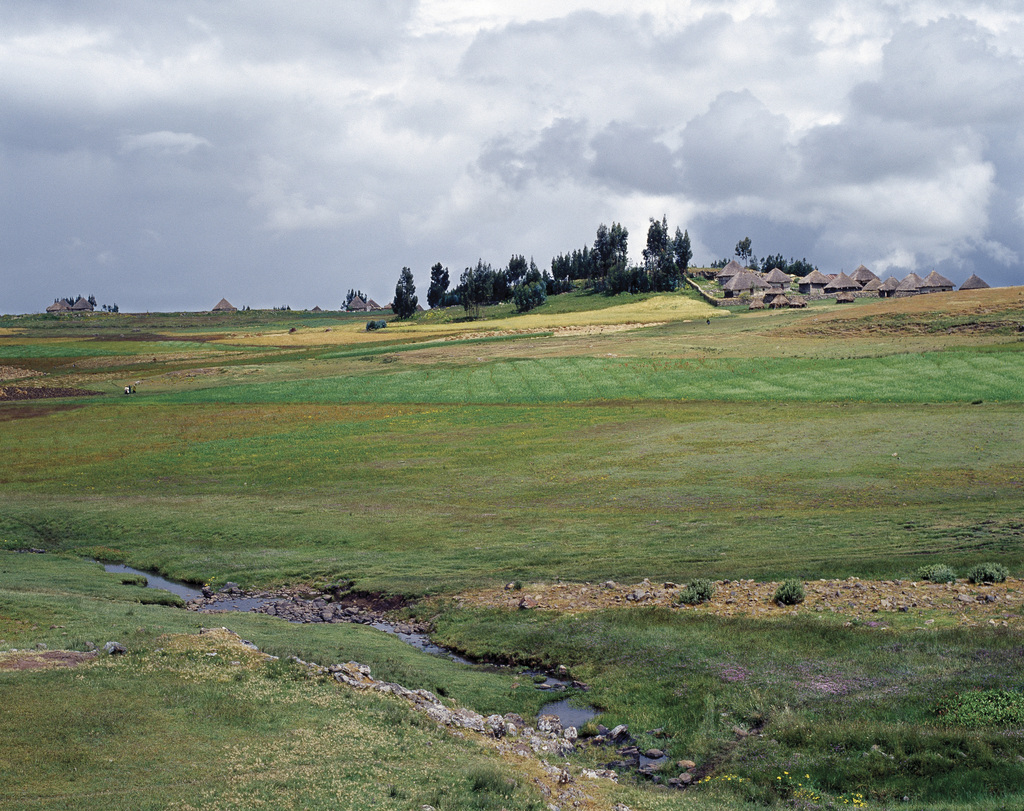
Flavor evaluation of Ethiopian coffee beans Starbucks Ethiopian varieties of coffee beans
Ethiopia is one of the major producers of Arabica coffee in Africa, producing the best Arabian coffee in the world. It is said that coffee was first discovered by shepherds in Essekafa, and the name of coffee evolved from Kafa, so Essex is still the hometown of coffee. The geographical environment of coffee production and processing is very suitable for coffee growth. Coffee is mainly cultivated.

Ethiopian Coffee Bean Cochel producing area Story how much is a cup of Ethiopian coffee washed?
Professional coffee knowledge exchange more coffee bean information please follow the coffee workshop (Wechat official account cafe_style) ETHIOPIA,YIRGACHEFFE,KOCHERE in 1995, Ethiopia redivided the area, we are familiar with Yirgacheffe in the new SNNPR planned in the Gedeo district. Currently, Yega Xuefei is located in the middle of Gedeo, Ko.

Ethiopian Coffee Manor Regional Flavor description Taste processing Brand
Flavor description of Ethiopian Coffee Farm the geographical environment of Ethiopia is very suitable for coffee growth. Coffee is mainly grown in the southern highlands between 1100 and 2300 meters above sea level. The soil in these areas is well drained, slightly acidic and red loose. Currently, about 25% of the Ethiopian population depends directly or indirectly on coffee production for a living. Use tradition

Yega Xuefei G1 | Flavor of Ethiopian Sidamo region _ Yega Coffee Bean Classification
Although the Ethiopian Yirgacheffe coffee is petite, it is gentle and delicate and sweet. As the hometown of coffee, thousands of years of planting history and processing tradition in Ethiopia have created high-quality washed Arabica beans. Light baking has unique lemon, floral and honey flavors.

Introduction to the quality characteristics of the method of describing the Flavor of Ethiopian Yega Xuefei washed G1 Coffee
Ethiopian coffee washing technology Yejaschefine itself is a small town with a population of about 20,000. Because the taste of coffee produced by Wenago, Kochere and Gelena Abaya is similar to that of Yejasuffe, it is similarly classified into the regional category of Yejasuffe. Yejasuffe is similar to Sidamo in both cultural and geographical environment.
Ethiopia Coffee processing method introduction to Ethiopian Coffee processing
Professional coffee knowledge exchange more coffee bean information please follow the coffee workshop (Wechat official account cafe_style) Ethiopian coffee processing options in Ethiopia, washing and sun processing are common. Getahun told me that during the sun treatment, farmers put the coffee fruit on a flat surface and then dry it in the sun. This process usually requires

Sweet aroma of Ethiopian Yeshifi Woka Coffee Flavor Taste Manor Features Fine coffee
Ethiopia is the oldest coffee producing country, Ethiopian beans You can measure the flavor profile of all modern coffee beans, so to speak, Ethiopia is the gene pool of coffee, the source of all tastes. Ethiopia has the most coffee beans treated by ancient solarization, which is caused by the geographical factors of water shortage in Ethiopia. However, the ancient solarization is difficult to control, and the farmers 'operation quality is poor.